How Has Fashion Changed Over Centuries Male Fashion 1980s
Men's way trends from the past 100 years
While men's mode often resides in womenswear'southward shadow in terms of exposure and versatility, menswear has a robust and dynamic history. Menswear trends through the years have served as time capsules that can hold the fundamental sentiments of an era. The fabric of a jacket can hold clues to the political climate and a collar shape can bespeak the wearer'southward occupation, while a wide-cut pant leg can signal a moment of social rebellion. From austere suits of the Depression-era 1930s and laid-back leather jackets of 1950s greasers to the shiny opulence of the 1980s, menswear trends have always been able to capture the spirit of the time.
Some menswear trends fade just as fast every bit they come up about, while many accept stood the examination of time and remain fashion staples today. Some trends are built-in out of necessity, like detachable collars in the 1920s, and some from an era's pop TV prove, bringing dorsum nostalgic trends from the 1960s ad-age. The cyclical nature of the fashion industry causes early trends to re-emerge in later years with minor tweaks or updates. The 1920s' broad-brimmed fedora re-emerges with a narrower brim in the 2000s and the 1950s skinny tie brings a touch of nostalgia to suits in the 2010s. With a new decade underway, we may encounter a new resurgence of past trends (flip-flops, anyone?) intermixed with new, innovative looks.
Stacker compiled a listing of xxx menswear fashion trends to pay tribute to the menswear trends that came earlier. The list contains trends that occurred during the last 100 years (from 1920 to 2019) using a multifariousness of style analysis sources and news articles. Click through the slideshow to take a trip back in fourth dimension through menswear way trends from the by century.
You may too like: The 52 women who have won the Nobel prize
1 / xxx
Charlie Huang // Wikimedia Commons
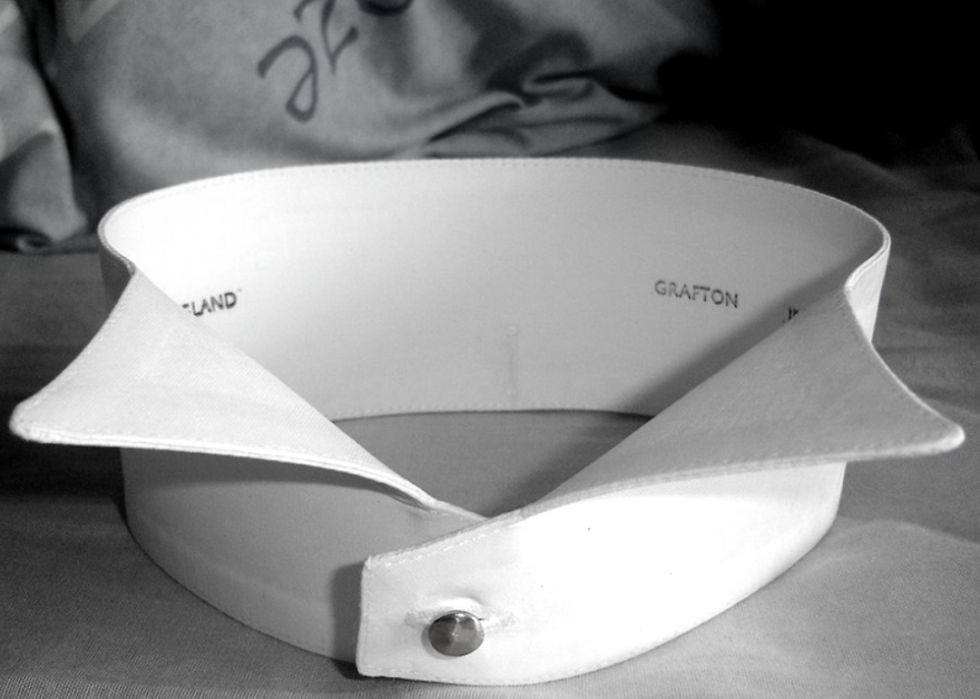
1920s: Detachable collars
In the early 1900s, information technology was customary for men's shirt collars to exist sold separately from the shirts themselves. The detachable neckband allowed conservative businessmen to easy launder their neckband and, if demand be, replace them. They also offered the ability to change up the collar styling of a shirt. These collars were always white and stiffly shaped into a alpine fold that could rise upward to iii inches tall. These detachable collars gave way to the term "white-collar," which is still used today to characterize office workers.
ii / xxx
National Library of Ireland
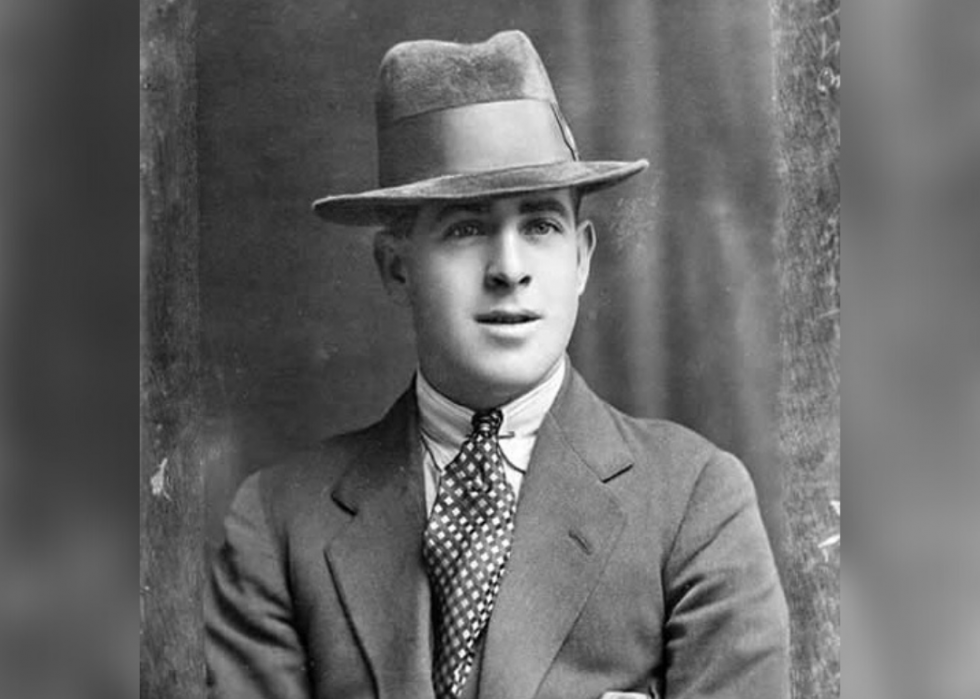
1920s: Wide-brimmed fedoras
The 1920s was a large era for hats, and by far, the most iconic mode of the decade was the wide-brimmed fedora. The fedora was the preferred chapeau way of young men considering it didn't take to exist matched exactly to a arrange's material. Men were able to mix and lucifer their suits to their hats, allowing them to add some of their own personality to their ensemble. This tendency would re-emerge with a more narrow skirt in the 2000s.
iii / 30
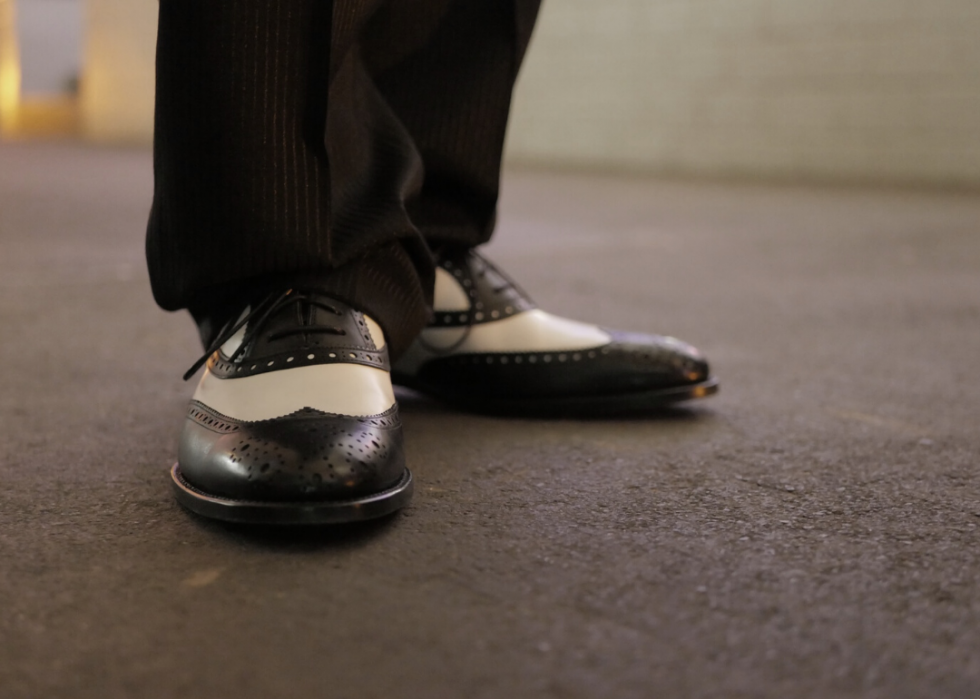
1920s: Ii-toned Oxfords
Unlike the bones design of oxford shoes in the 1910s, the two-toned oxfords of the 1920s added sporty flair to men'southward footwear. With contrasting leather detail placed at the toe-cap, heel, and around the laces, this style was a difference from the somewhat conservative, utilitarian version before it. Versions of this trend are all the same worn today by both men and women.
iv / 30
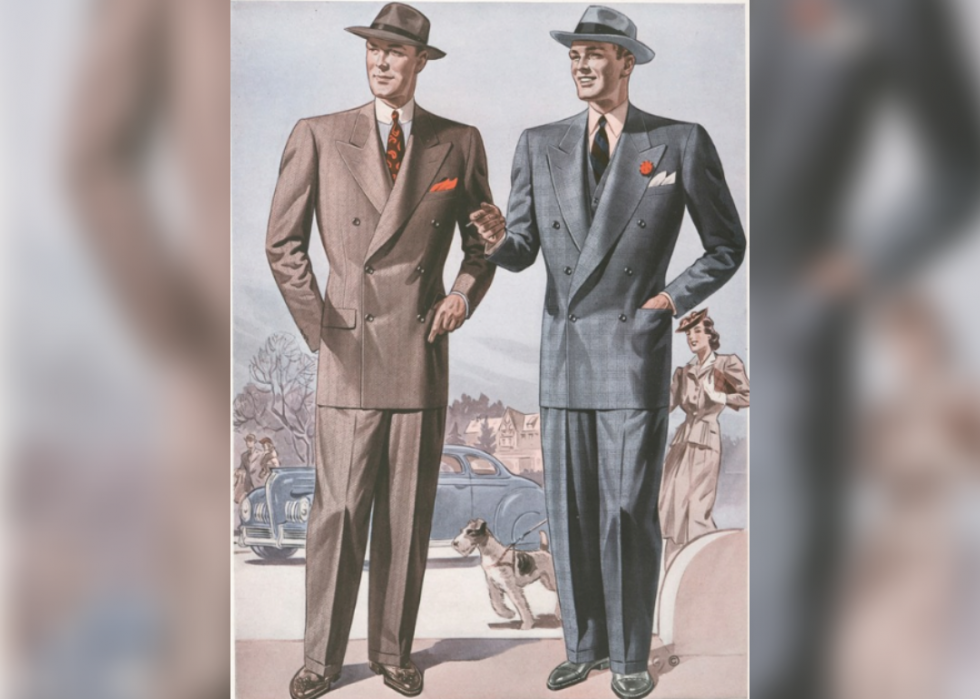
1930s: Double-breasted suits
By the 1930s, boxy silhouettes emerged and double-breasted suits and tuxedos became the fashion of the decade. Suits of this era were cutting with slimmer waists and tapered pant legs to conserve material during the Great Depression. Darker colors became fashionable, representing the sullen attitude of the era.
5 / 30
London Express // Getty Images
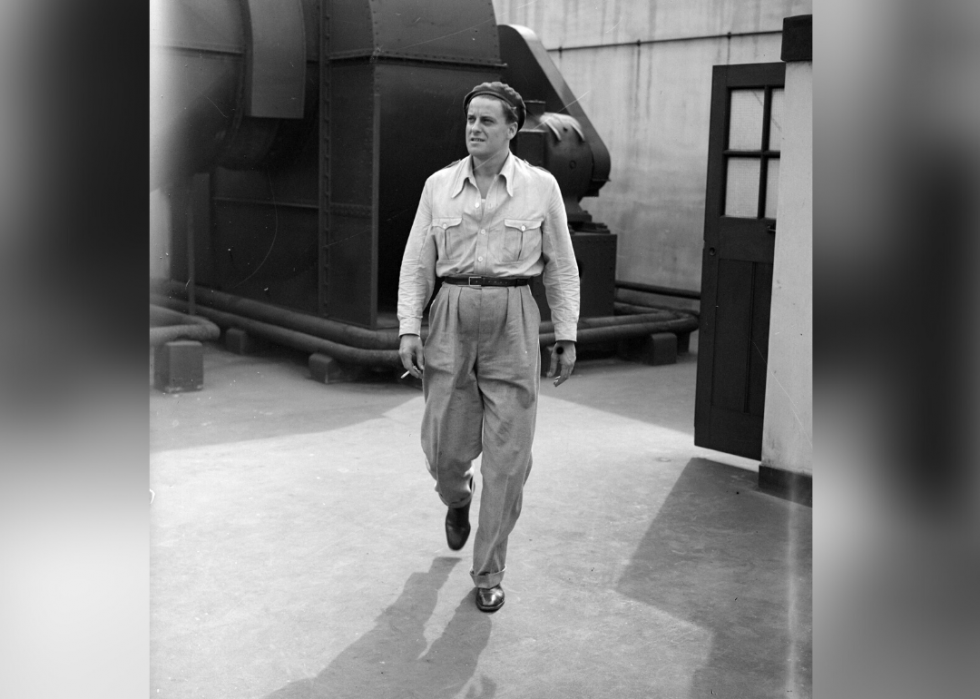
1930s: High-waisted trousers
Accompanying the era'due south double-breasted jacket were loftier-plumbing fixtures trousers. The higher waistline created a lengthening effect that balanced out the majority of the pleated fronts. It was the actress-broad waistband that remained unique to the 1930s and is sometimes referred to as a Hollywood trouser. These trousers were meant to be worn with a vest or sweater.
You lot may too like: What having a baby was similar the year you were born
half-dozen / 30
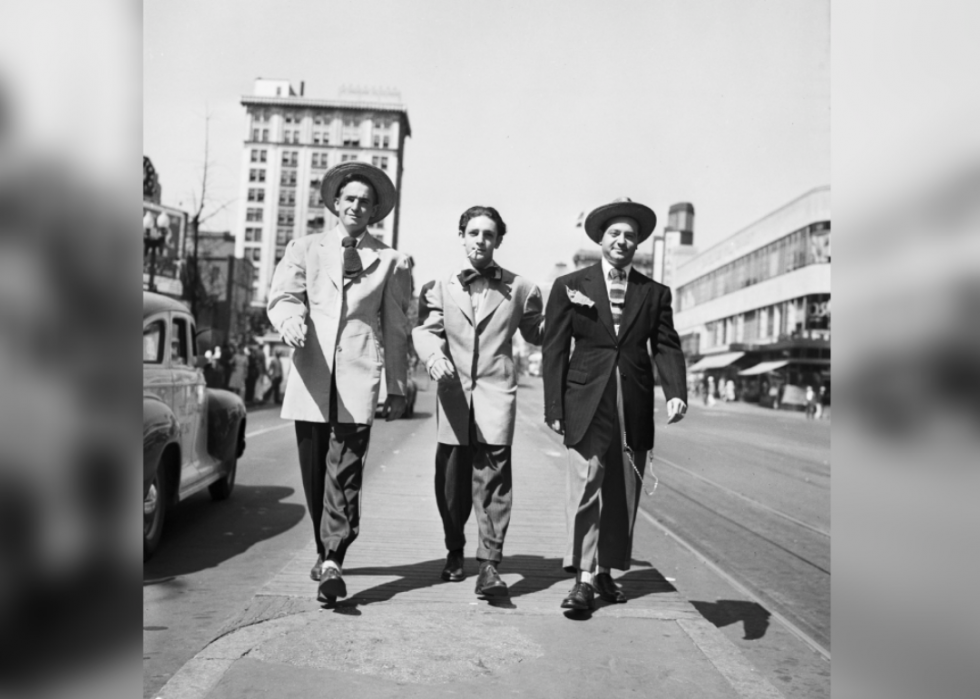
1940s: Zoot suits
The 1940s brought World State of war Two, and with it, a authorities restriction on wool. Because of this, most menswear was made to conserve fabric. This policy manifested itself in single-breasted suits and trousers without pleats or cuffs. Equally an deed of rebellion, young people and people of color adopted the overly baggy, excessively long, exaggerated zoot suit style, rejecting the conservative nature of the time. Considering they were technically illegal to make due to the excessive employ of cloth, zoot suits were often purchases on the black market and became the uniform of the anti-establishment "swing kids" that hung out at jazz clubs.
7 / 30
Hulton Archive // Getty Images
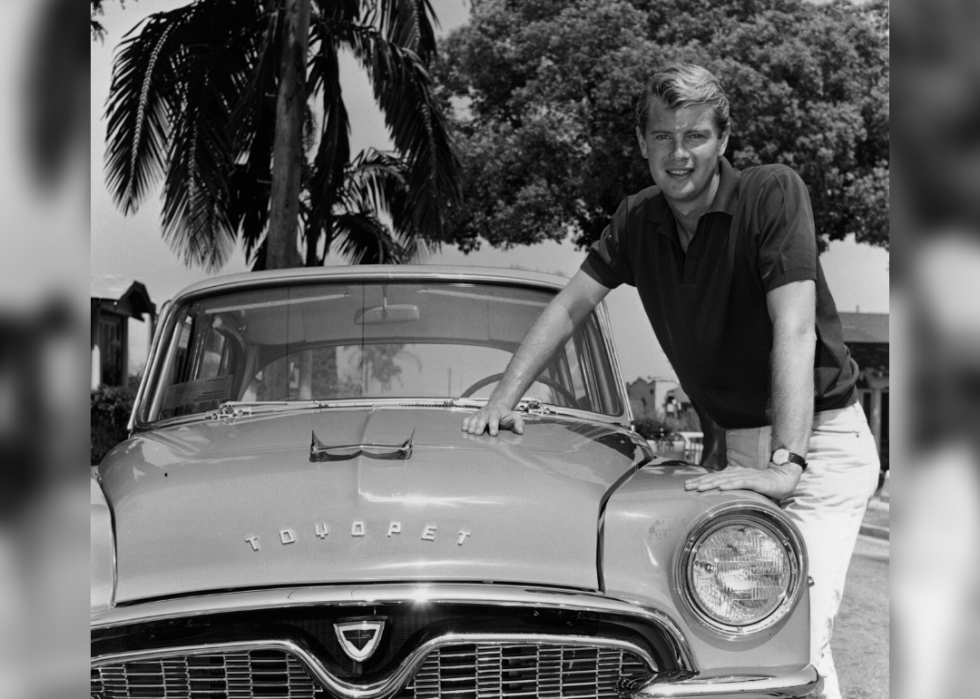
1950s: Polo shirts
The stop of wartime brought with it a more relaxed menswear style often referred to as sportswear or leisurewear. The 1950s introduced laid-back styles including the polo shirt, which was seen as a more youthful, coincidental culling to the formal button-down style, while still maintaining a bourgeois, golf game-mode look. Polo shirts are however a solid fixture in a business organization-casual wardrobe today.
8 / 30
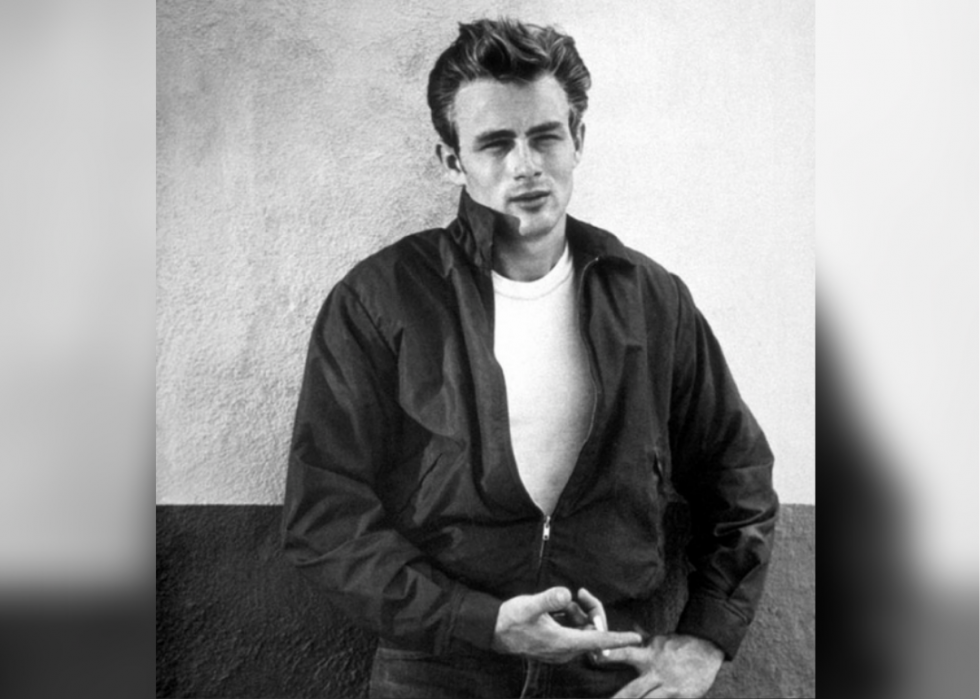
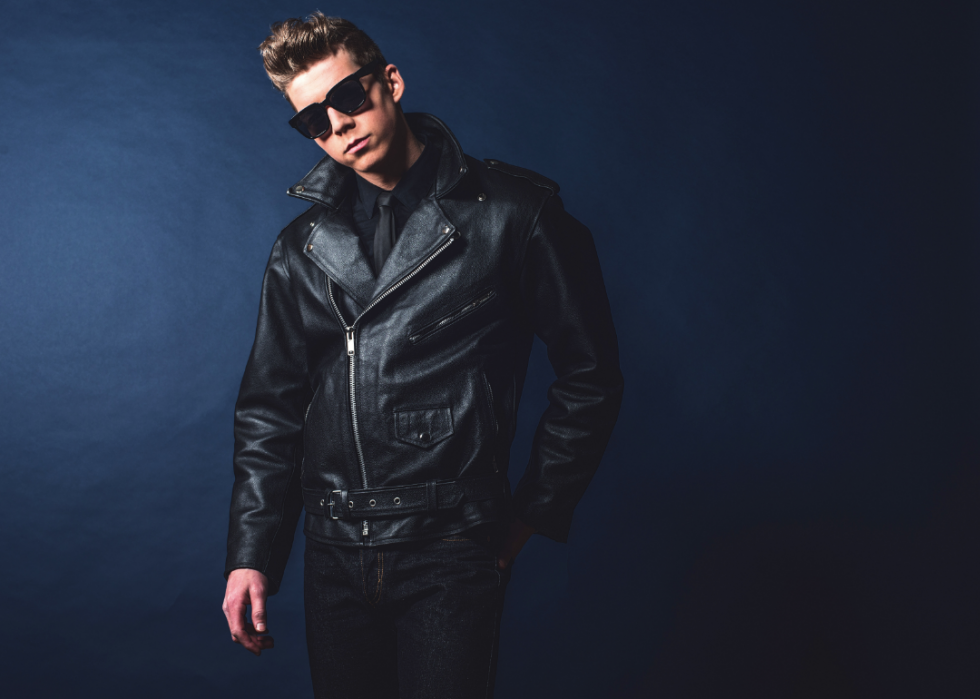
1950s: Motorcycle leather jackets
Just equally the zoot suit was a rebellion against the thrift and conservation of wartime in the 1940s, the "greaser" style served as a rebellion against the social conservatism of the 1950s. A style mostly embraced by the youth of this era, greasers sported T-shirts, denim, and leather jackets. The greaser mode was farther popularized past James Dean in the iconic film "Insubordinate Without a Crusade." This style would re-emerge in the 1990s.
9 / 30
Chaloner Woods // Getty Images
1950s: Wayfarer glasses
Ray-Ban premiered the Wayfarer style in 1956, and it has since become one of the most popular sunglasses styles of all time. The trapezoidal shape of the plastic frames is flattering on a variety of face shapes and gained favor amidst celebrities like President John F. Kennedy, Bob Dylan, and Andy Warhol. To this twenty-four hour period, Wayfarers are beloved by celebrities and not-celebrities alike.
10 / 30
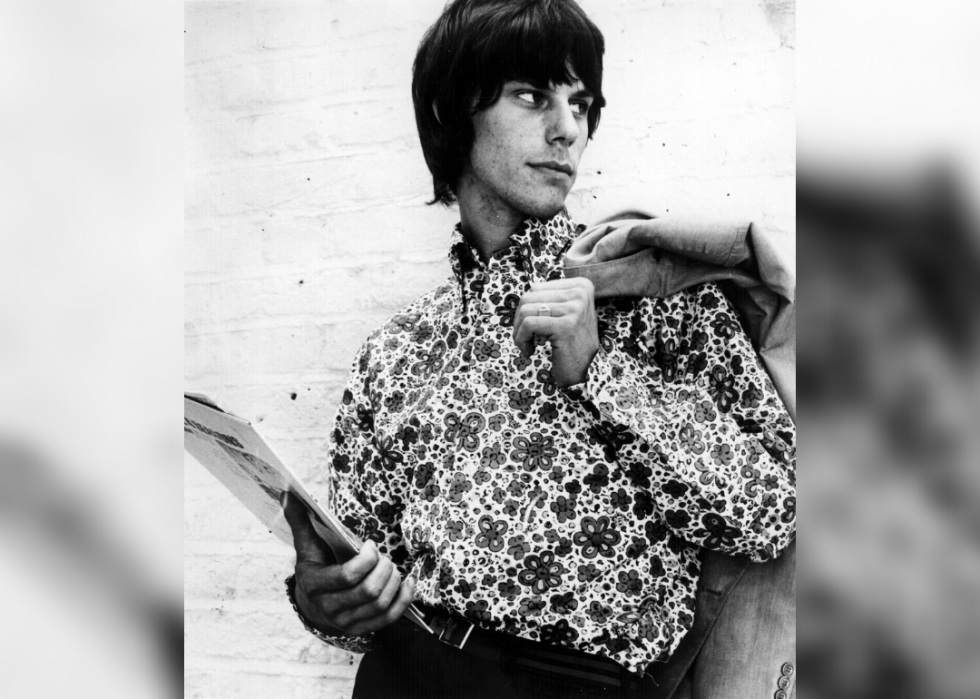
1960s: Floral prints
The social tumult of the 1960s gave way to diverse subcultures that were dealing with wartime injustices in their ain unique ways—including expressing themselves through fashion. One thing was certain, convention was no longer the norm as the menswear industry began to comprehend funkier prints and patterns, including florals. The age of Flower Power brought colorful floral shirts, ties, and even trousers into the realms of both formal and casual attire.
You may also like: U.S. Regular army past the numbers
11 / 30
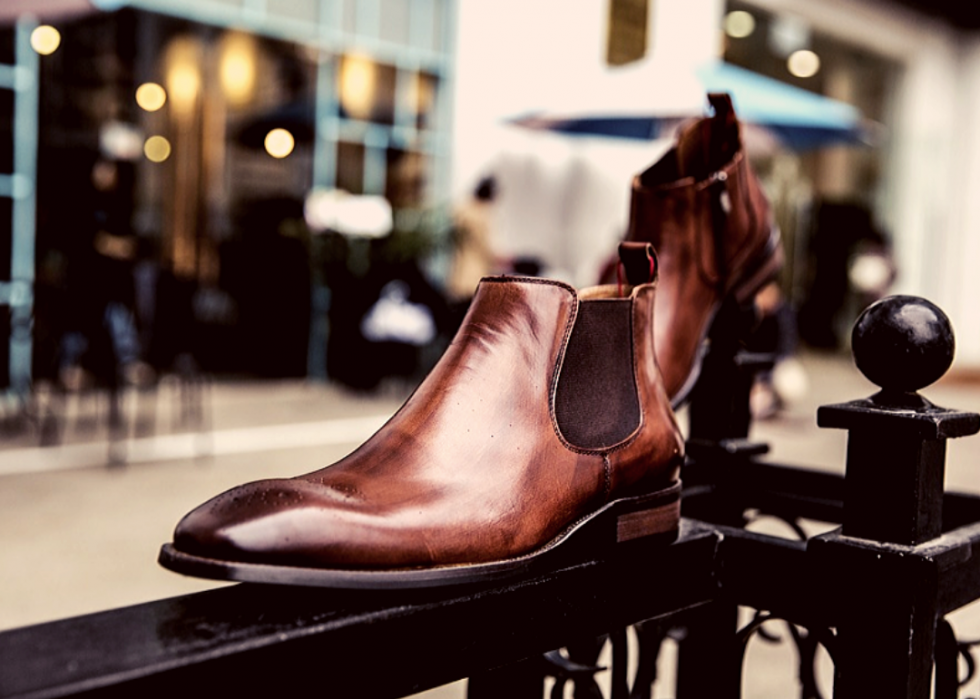
1960s: Chelsea boots
One subculture of the 1960s was the Modern gear up, who took their minimalist manner inspiration from London'south rock music scene. Bands like The Beatles and The Who brought the Chelsea boot trend to the forefront of men'south mode. Everyone from young artists to business concern executives wore this sleek, sideslip-on style of boot.
12 / 30
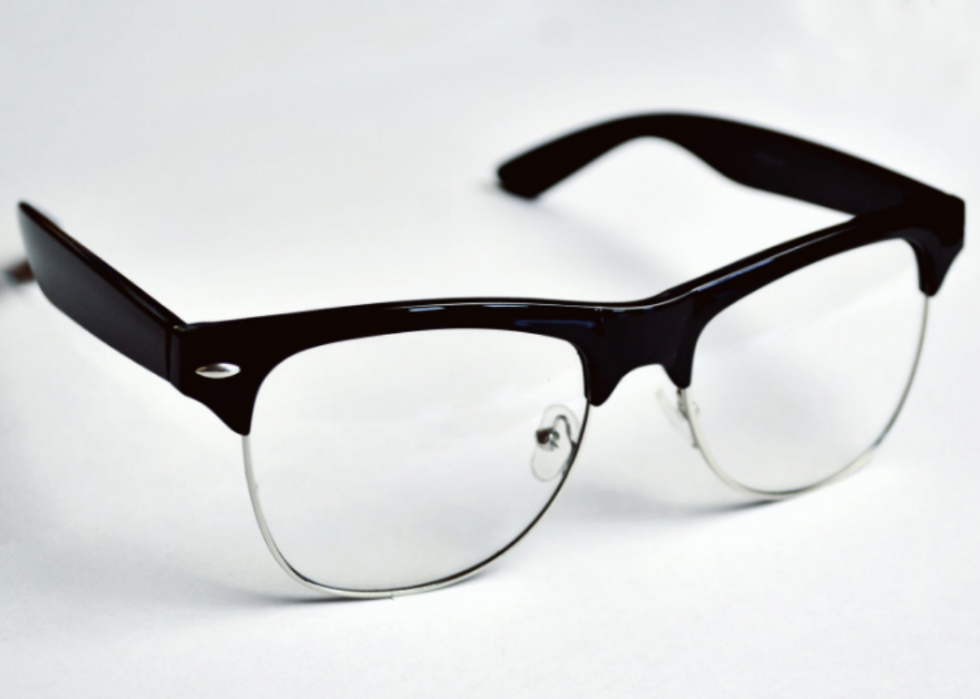
1960s: Clubmaster spectacles
Though the Clubmaster style of glasses kickoff became available in the 1950s, the style gained peak popularity in the 1960s. Somewhat similar to Ray-Ban's Wayfarer, the Clubmaster has a thick browline that receded into a thin lower rim. While the style faded from popularity in the 1970s, the bear witness "Mad Men" revived the manner in tardily 2007 by capitalizing on the absurd nostalgia of the 1960s advertising civilisation.
13 / 30
Dove Daily Limited/Hulton Annal // Getty Images
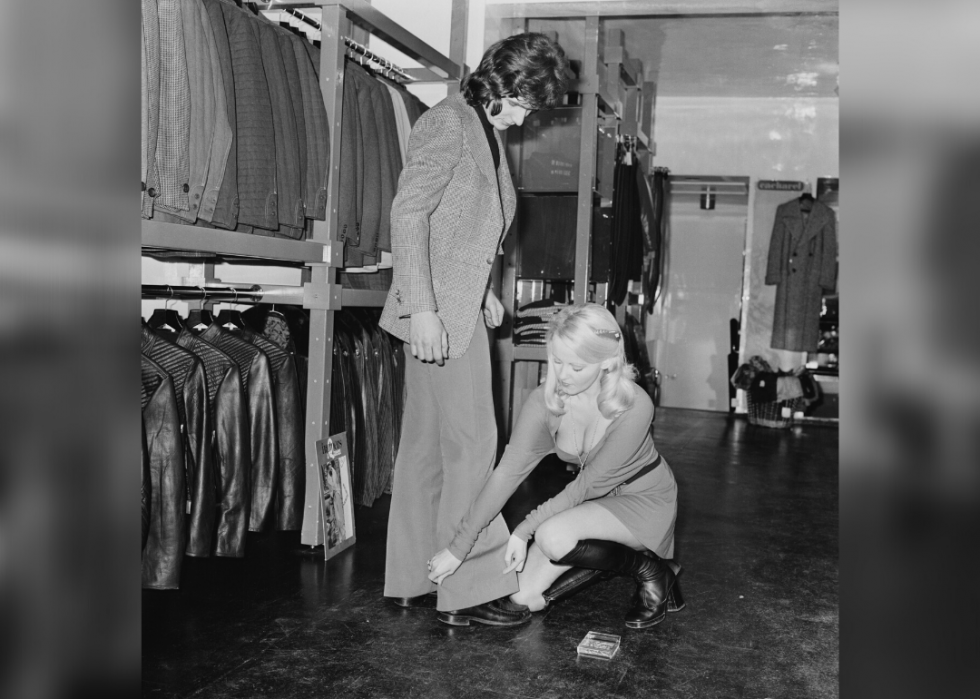
1970s: Bell bottoms
The 1970s were the age of disco, and with it came the ascent of bell-bottom pants. With an exaggerated, flared leg, bell bottoms immune for extra movement on the dancefloor and were worn in a variety of fabrics and patterns. The wearing apparel of this era were highly influenced by the hit film "Saturday Dark Fever.
fourteen / 30
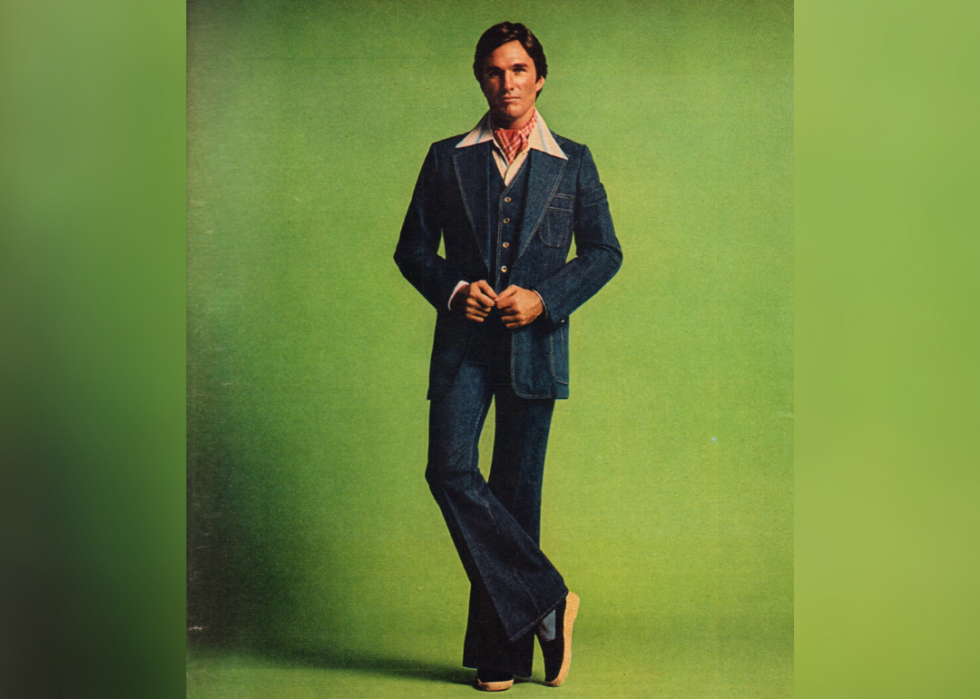
1970s: Leisure suits
The leisure suit was a decade-defining trend of the 1970s along with the rising of disco. It mostly consisted of a indigestible, poly-blend blazer, with several unnecessary pockets and matching pants. The expect was most ofttimes completed with a loud push button-down shirt -- preferably made of qiana -- with oversized point collars. At the fourth dimension, it was considered a casual and absurd take on the standard suit of the eras before.
15 / 30
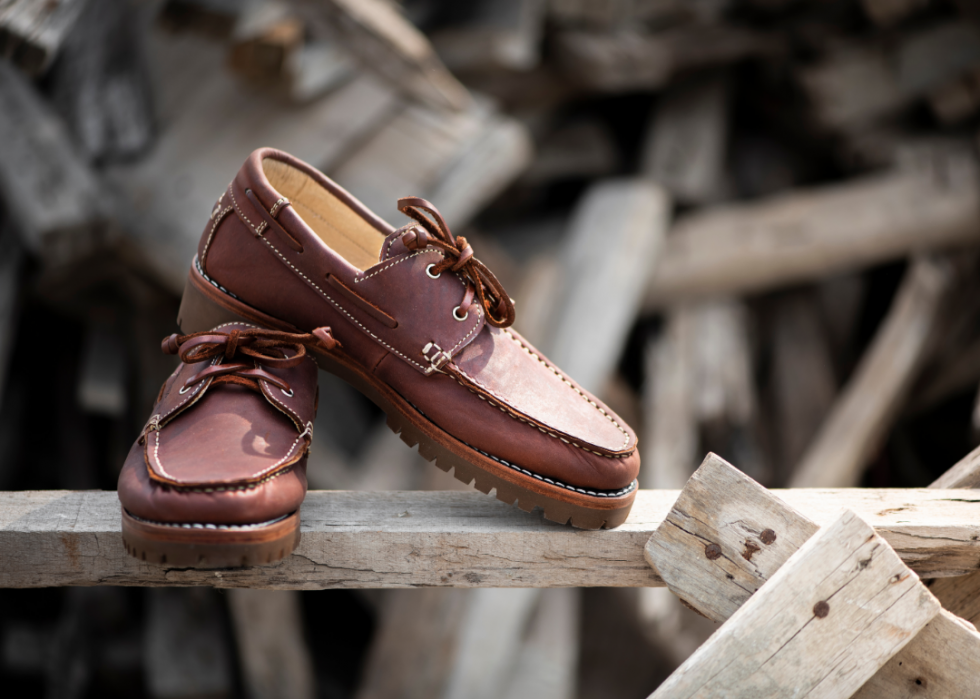
1980s: Loafers and gunkhole shoes
The "Miami Vice"-inspired pastel suits of the 1980s were usually paired with a pair of loafers or boat shoes . Loafers and boat shoes were also popular for more coincidental looks equally well. Both styles could complete a workwear wait or add together preppy flair to a casual outfit. Loafers and boat shoes remain timeless styles and are popular today.
16 / 30
1980s: Bomber jackets
The hitting Television evidence "Miami Vice" premiered in 1984 and became a huge fashion inspiration for the menswear of the 1980s. So-chosen leisure suits became popular and consisted of a t-shirt worn under a designer suit, usually in a diversity of pastel colors. This was a casual and cool have on the standard arrange.
17 / xxx
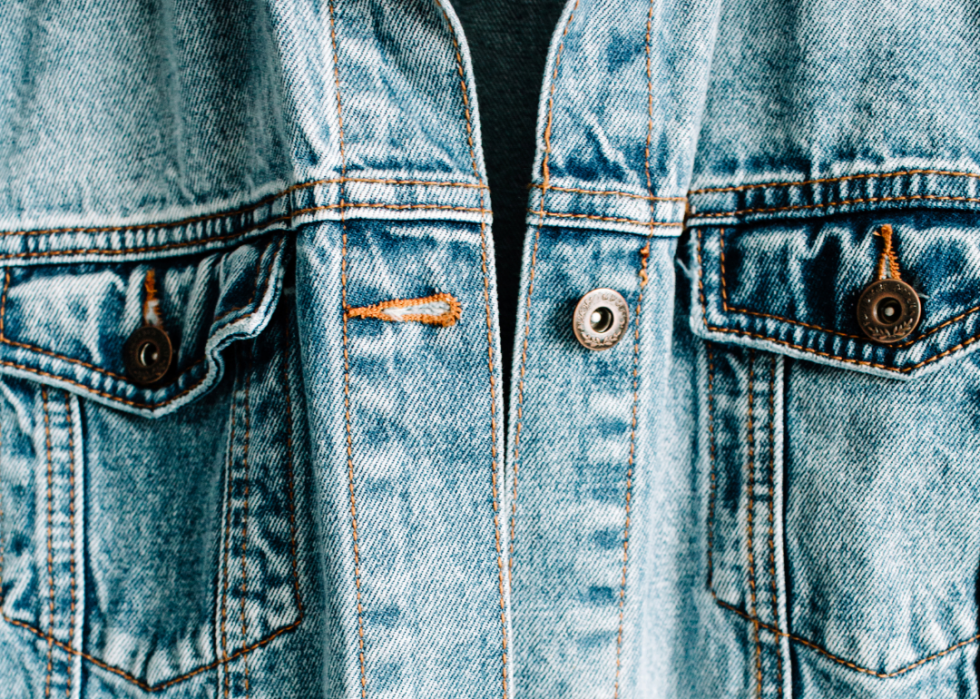
1980s: Denim jackets
The 1980s was a peak decade for denim, with many men embracing the head-to-toe wait of wearing jeans paired with a denim jacket. The denim jacket could be paired almost universally with everything from a button down shirt to a t-shirt, from khakis to jeans. The denim jacket is still a versatile menswear staple today.
18 / 30
HELENE CAYEUX AFP via GettyImages
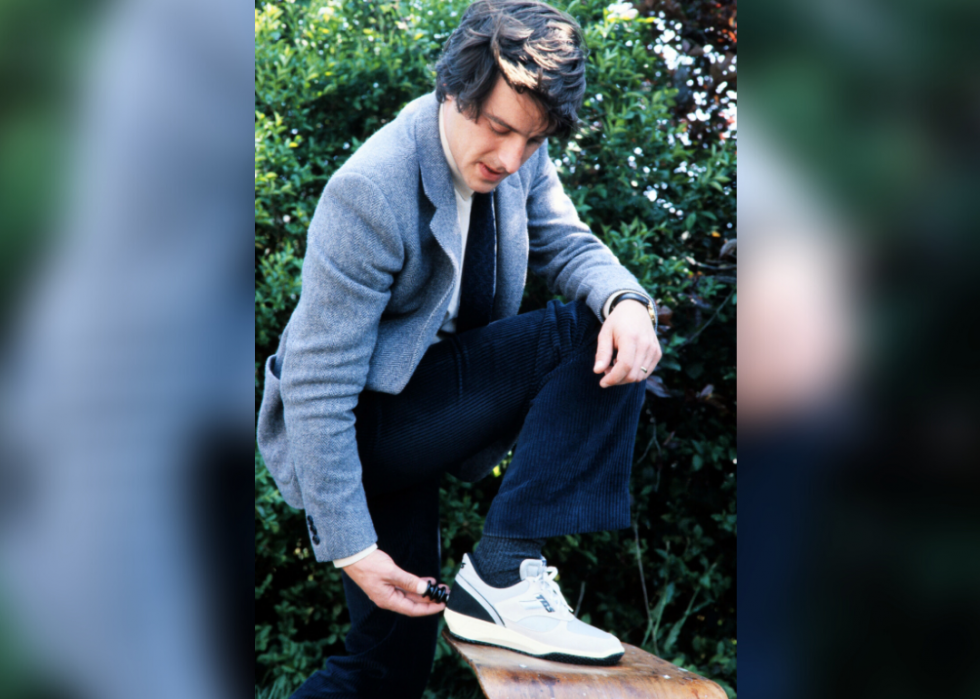
1980s: Sneakers
Drawing from the rise of hip hop music, sneakers became a major manner trend of the 1980s. Nearly notably, the Nike Air Force One and Nike Air Jordan styles became huge commodities that would signal the beginning of sneakerhead culture. Additionally, the ascent of the aerobics fitness craze made Reebok sneakers very pop during the '80s. Today, sneaker styles from that era are highly coveted collector's items.
nineteen / xxx
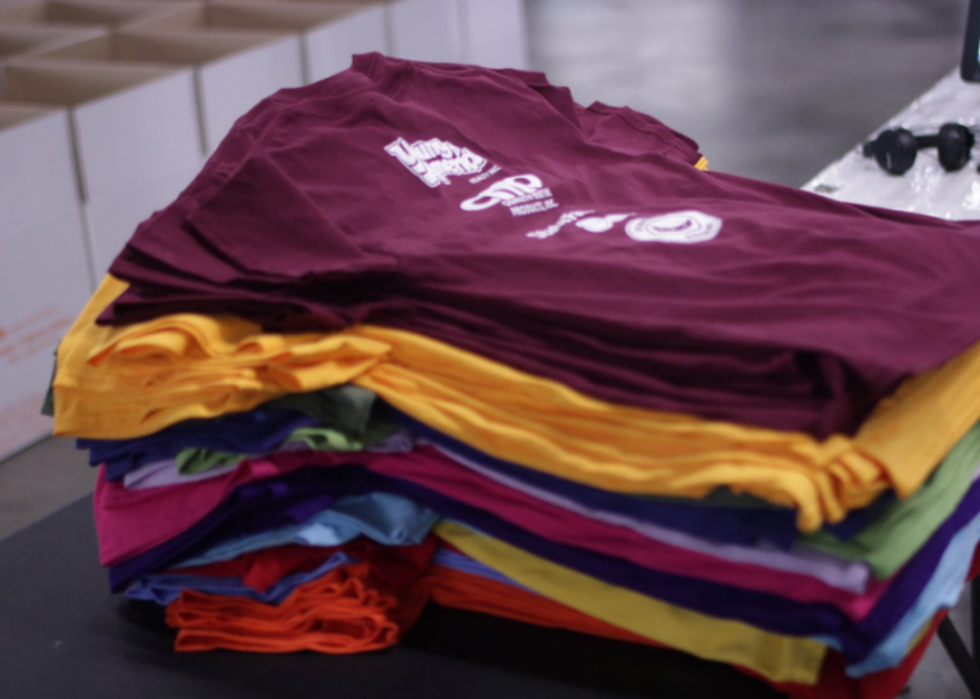
1990s: Graphic tees
The 1990s were a confusing time for fashion. Coming downwards from the excess of the '80s, the '90s were more nigh emphasizing casual condolement and street manner. Every bit a consequence, the graphic tee was worn past everyone from teenage skaters to off-duty businessmen.
20 / 30
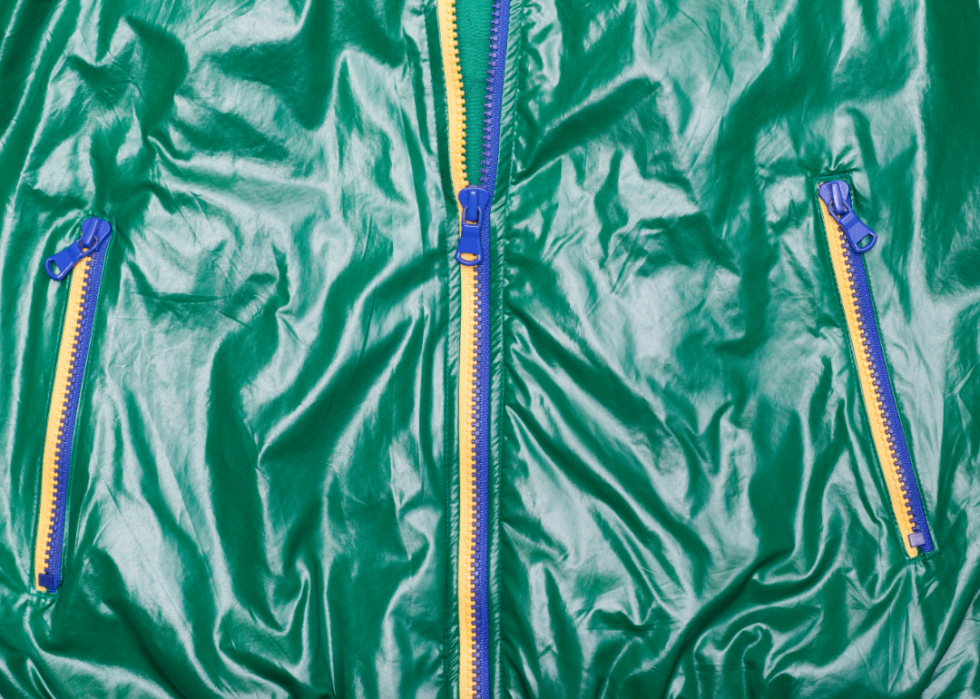
1990s: Windbreakers
In keeping with the athletic-focused styles of the 1990s, the windbreaker became a street-style staple in menswear. Windbreakers of this era frequently featured bright colors and bold patterns. The windbreaker has fabricated a contempo comeback in today'due south mode, with men wearing them every bit a retro nod to the 1990s.
Yous may too like: 25 pictures of abandoned war machine installations and their stories
21 / thirty
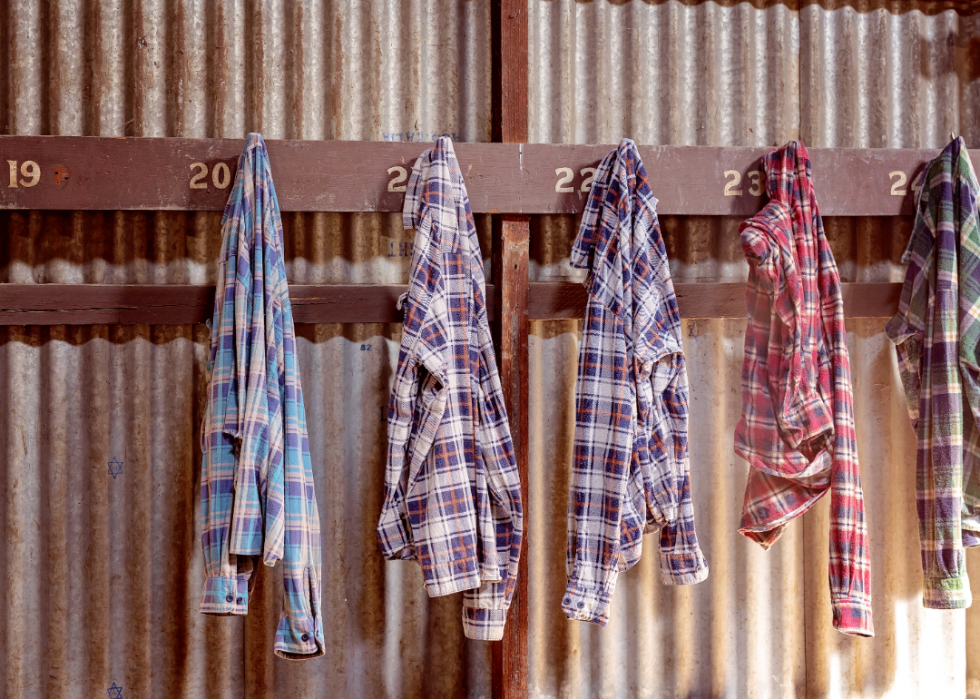
1990s: Flannel shirts
The 1990s was the heyday of grunge. The flannel shirt presently became a compatible staple of the grunge subculture with celebrities like Kurt Cobain and Johnny Depp pairing flannel shirts with t-shirts and jeans.
22 / 30
2000s: Automobile-distressed denim
Denim took a bold plough in the 2000s with the rise of distressed and faded jeans. Instead of letting jeans distress on their own through normal habiliment and tear, the 2000s brought mass-produced motorcar sad that looked faded right off of the rack. This resulted in exaggerated displays of deplorable and dying. Luckily, this trend faded abroad past the next decade.
23 / 30
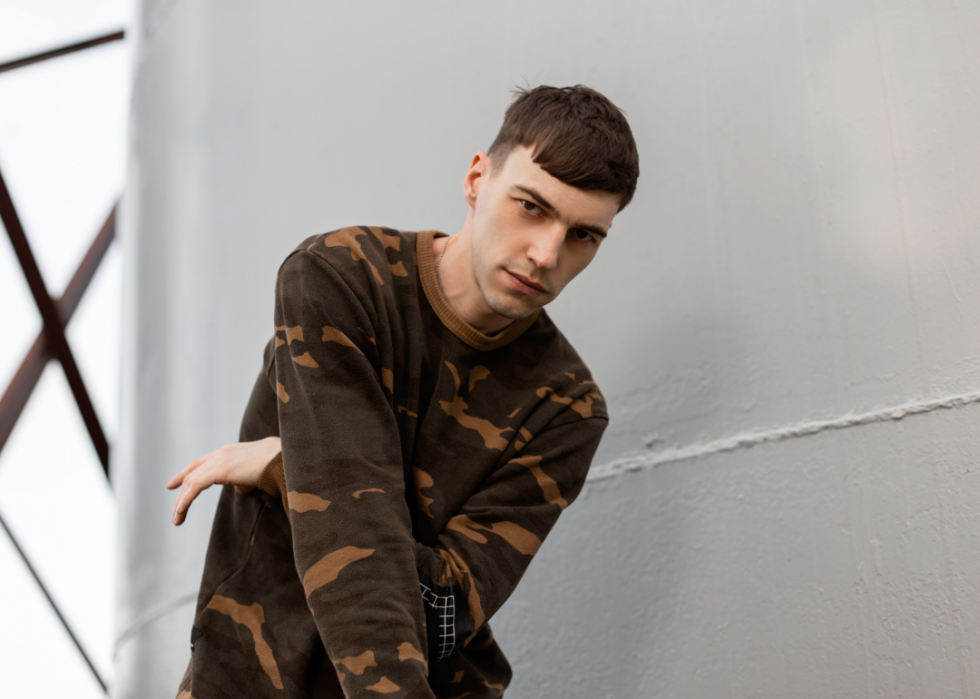
2000s: Military wear and cover-up
The mid-2000s saw the U.s. over again at state of war, and the rise of military machine wear in regular men's mode followed. From cargo pants to camouflage patterns to regular army jackets, the military influence was undeniable. This tendency notwithstanding lingers, gaining steam in menswear trends every few years.
24 / thirty
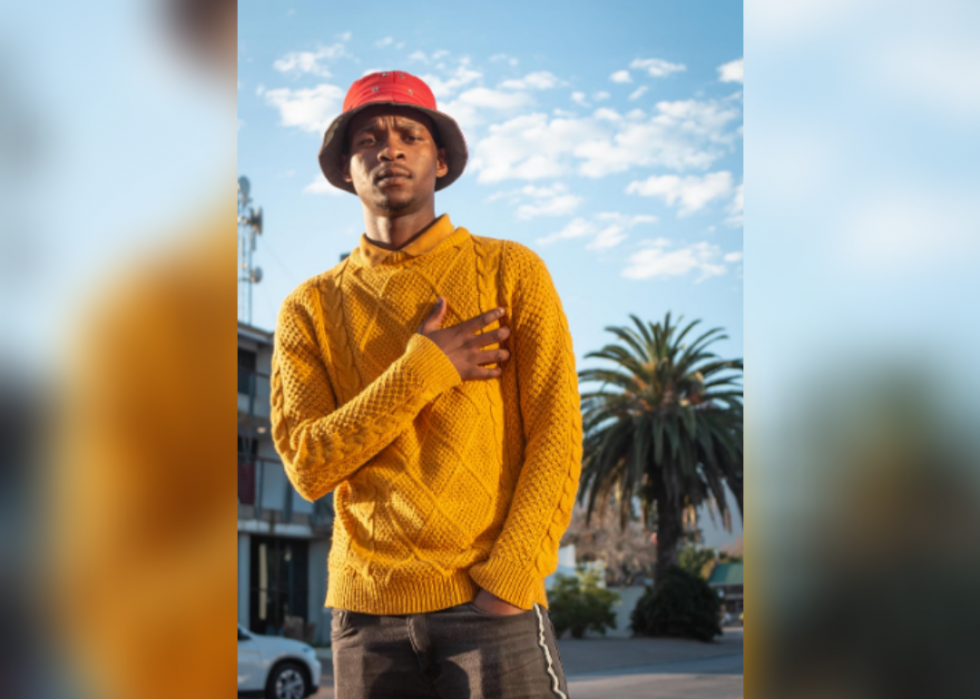
2000s: Bucket hats
In addition to armed services wear, bucket hats besides gained huge popularity during the 2000s. With versions in original canvas, nylon, and even faux-fur, bucket hats infiltrated this decade'southward pop civilisation with celebrities like Jay Z, Nelly, and Brad Pitt all seen sporting them. 2019 saw a stiff resurgence in the bucket hat tendency, with many gracing the runway that year.
25 / thirty
2000s: Sport sunglasses
Eyewear in the 2000s took an athletic plough with styles that were originally meant for sports like motocross, running, and biking making their way into everyday wear. Frames were often outfitted with tinted lenses in various colors and shiny cogitating coatings. Thankfully, sport sunglasses have since gone back to their utilitarian origins.
You may also similar: Popular style trends the year you were born
26 / 30
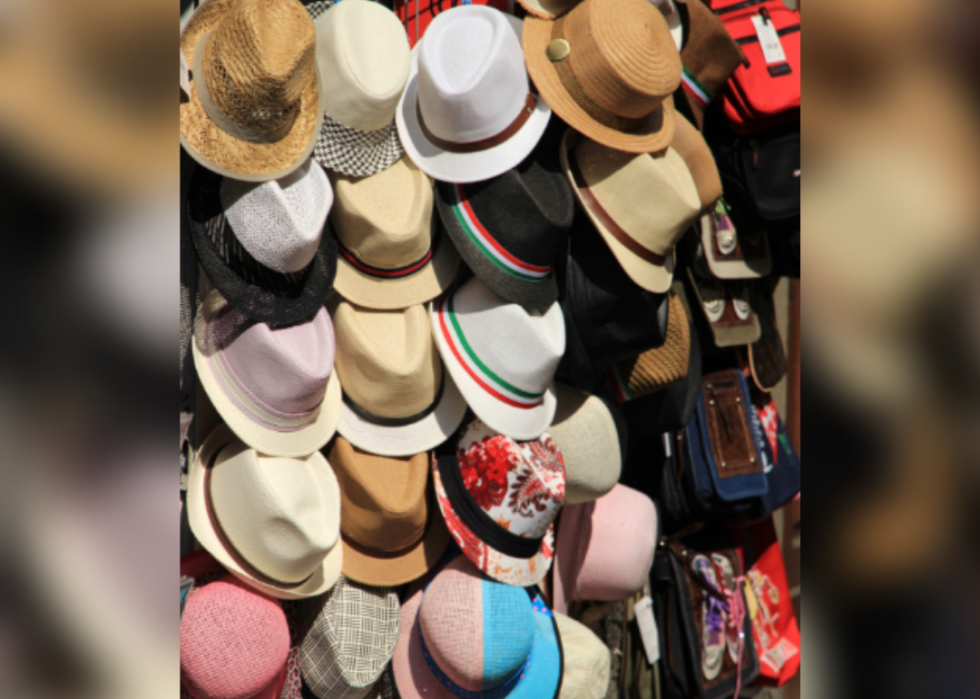
2000s: Narrow-brimmed fedoras
The 2000s welcomed back the fedora hat into menswear, but unlike its archetype 1920s predecessor, the brim of mod fedoras is very narrow. Clearly, this isn't a hat aimed at sunday protection. This narrow-brimmed style became a trendy staple on the ruby-red carpet throughout the early on 2000s with stars like Diddy and Justin Timberlake sporting them in photos.
27 / thirty
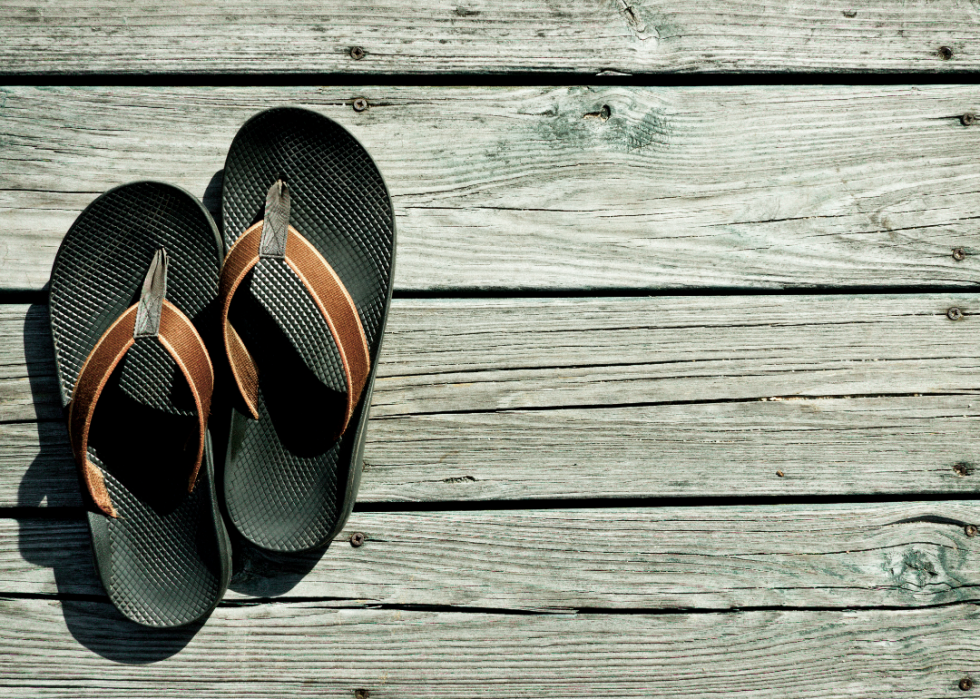
2000s: Flip-flops
In the early on 2000s, along with the rise of the casual-loving Abercrombie set came the rise of men wearing flip-flops. Mayhap one of the more controversial trends, flip-flops became perfectly acceptable to vesture with jeans and a t-shirt (and in some cases, a push button-downward).
28 / 30
Jonathan Mueller // Flickr
2010s: Skinny ties
Skinny ties were originally a trend of the 1950s, but they gained a newfound popularity amid young men in the 2010s. Equally all styles came to focus on slimmer silhouettes, so did neckwear. Though the style is starting to phase out, men still sport skinny ties today.
29 / 30
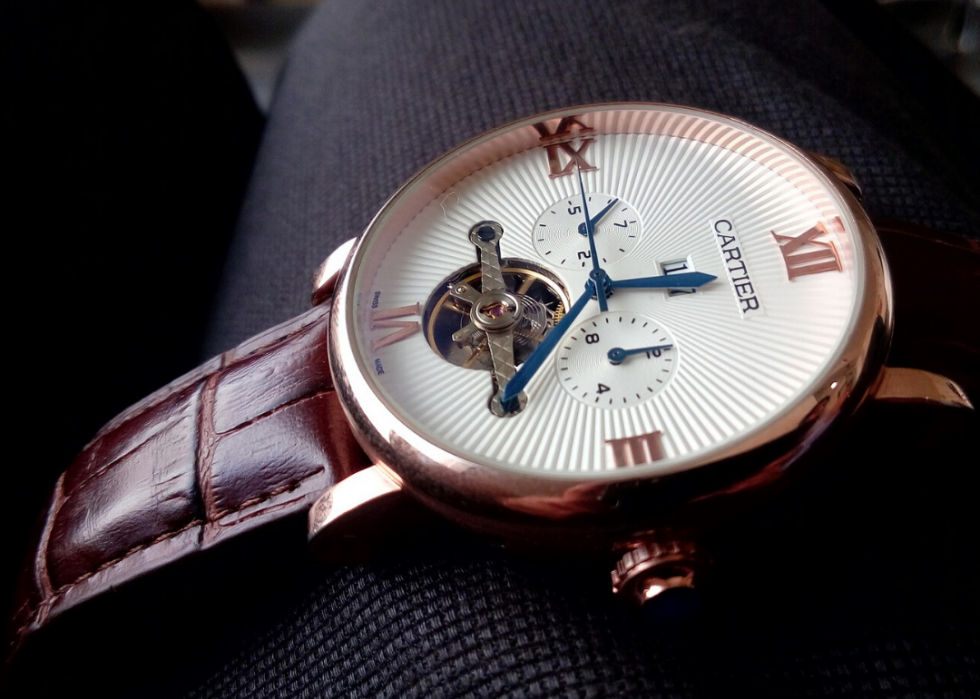
2010s: Analog wristwatches
With the fall of the digital watch came the resurgence of classic analog wristwatches. Equally the digital spotter became associated with a mode that was more casual and sporty, the analog watch renewed itself as the universal standard of upscale men'due south wristwear.
30 / 30
2010s: Slim-cutting denim
Originally fabricated popular past 1960s rockers like The Rolling Stones, Bob Dylan, and The Beatles, slim-cutting denim striking its true stride in the 2010s. This decade gave men's slim-cut denim the designer handling, with almost every luxury line creating a version of slim-cutting men's jeans.
You may also like: Infant names that have faded into obscurity
Trending Now
© Stacker 2022. All rights reserved.
0 Response to "How Has Fashion Changed Over Centuries Male Fashion 1980s"
Post a Comment